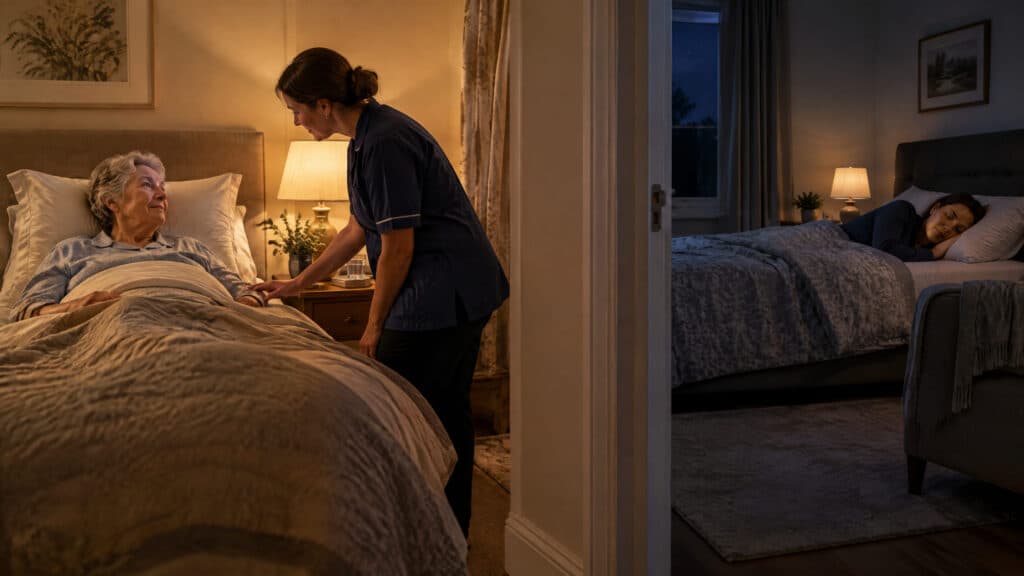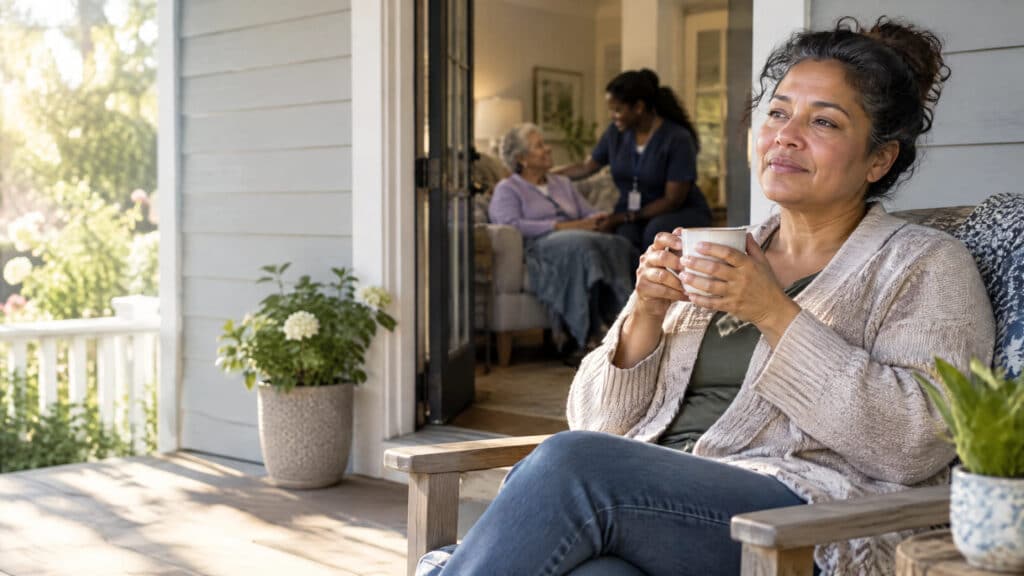


A Parkinson’s diagnosis changes the rhythm of daily life, not just for the person living with it, but for every family member involved. For families across Glenview, Skokie, Northbrook, Evanston, and the Chicago north suburbs, the question that comes up quickly is: can our loved one stay home safely, and what does that actually require?
The answer, for many families, is yes. But it requires the right kind of support, built around how Parkinson’s actually progresses, not a generic care plan that treats every senior the same way.
What Makes Parkinson’s Care Different
Parkinson’s disease is progressive, which means care needs change over time. What works in the early stages, light assistance with daily tasks and reminders, may not be enough as symptoms advance. A good in-home care plan for a parent with Parkinson’s needs to be built to adapt.
Mobility and Fall Prevention
Tremors, stiffness, and balance difficulties are among the most common challenges for seniors with Parkinson’s at home. A Care Specialist who understands how Parkinson’s affects movement can provide hands-on assistance with transfers, walking, and daily activities in a way that reduces fall risk without removing independence.
Consistent Routine
People living with Parkinson’s often do better with a predictable daily structure. Meals, medication, exercise, and rest at consistent times help manage symptoms and reduce confusion or anxiety. A consistent Care Specialist, not a rotating roster of unfamiliar faces, makes this possible.
Medication Support
Timing matters significantly with Parkinson’s medications. Missing a dose or taking it late can affect how well symptoms are controlled throughout the day. In-home Care Specialists can provide medication reminders and help families communicate with the medical team if patterns change.
Emotional Support for the Whole Family
Parkinson’s is not only physically demanding. The emotional weight of watching a parent’s capabilities change over time is something many families in Glenview, Wilmette, and Park Ridge carry quietly. Having a trusted Care Specialist present also gives family members a reliable person to coordinate with, reducing the burden of managing everything alone.
How In-Home Care Supports Parkinson’s Patients Across the North Shore
Private Home Care works with families navigating Parkinson’s across Glenview, Northbrook, Skokie, Evanston, Wilmette, Park Ridge, and surrounding communities. Our approach starts with understanding the person, not just the diagnosis.
We match each client with a Care Specialist whose pace, personality, and experience fit the specific situation. For Parkinson’s clients, that often means someone calm, patient, and experienced with mobility assistance. We then work with the family and any existing medical team to build a care plan that reflects where the client is today and can flex as their needs evolve.
Signs That In-Home Support May Be Needed
Families sometimes wait longer than necessary before reaching out for support. Some signs that it may be time to consider in-home care for a parent with Parkinson’s include:
- Increasing falls or near-falls at home.
- Difficulty managing medications independently.
- Significant changes in mobility or daily functioning.
- Family caregivers feeling stretched thin or burned out.
- The person with Parkinson’s expressing anxiety about being alone.
None of these signs mean a parent has to leave their home. In many cases, the right level of in-home support is what makes staying home safely possible for longer.
Starting the Conversation
We understand that reaching out for care is not always easy. Many families in the Chicago area tell us they wish they had called sooner, not because things had gotten worse, but because having support in place gave everyone more peace of mind.
If you are navigating Parkinson’s care for a parent in Glenview, Northbrook, Skokie, Evanston, Wilmette, Park Ridge, or anywhere across the Chicago north suburbs, we are here to help you figure out the right next step, whatever that looks like for your family.
Call (847) 779-3352 to speak with a Care Coordinator, or request a complimentary in-home assessment at privatehomecare.com.