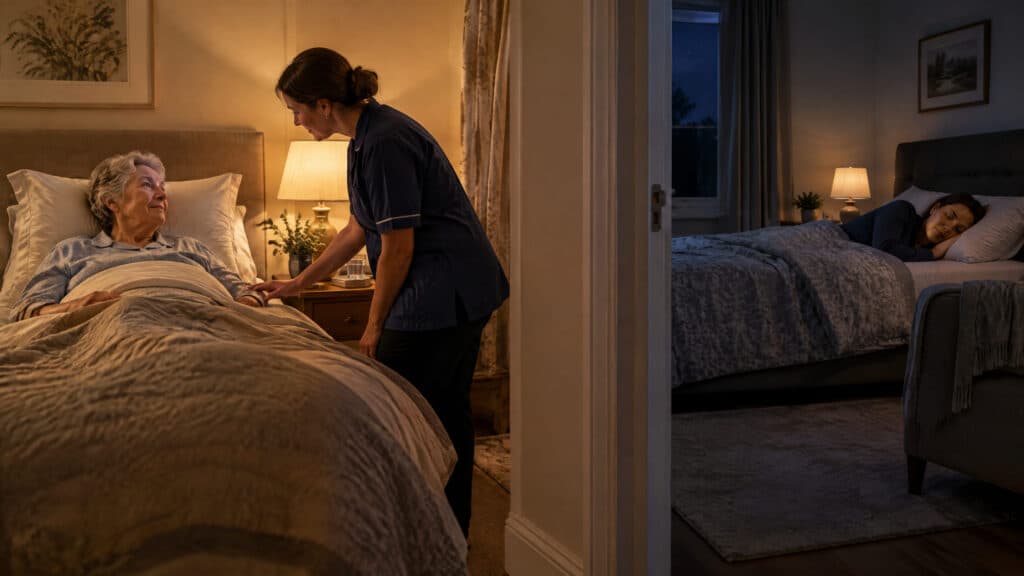


The day a loved one is discharged from an area hospital often feels like a relief, but for many families in Park Ridge, Niles, Glenview, and the surrounding northwest Chicago suburbs, it quickly becomes one of the most stressful transitions they face. The hospital provided round-the-clock monitoring. Home does not.
This guide is for families navigating that transition, trying to figure out what support is actually needed, what to watch for, and how to make sure their loved one recovers safely at home.
Why the First 72 Hours after Discharge Matter Most
Hospital readmission rates are highest in the first three days after discharge. This is not a coincidence. Medication confusion, mobility difficulties, poor nutrition, and simple falls account for a significant portion of post-discharge complications. Having reliable support in place before a loved one arrives home, not after something goes wrong, is what makes the difference.
What a Discharge Plan Actually Covers
When a hospital provides a discharge plan, it typically includes medication instructions, follow-up appointment dates, activity restrictions, and warning signs to watch for. What it does not always account for is who is actually at home to help carry out those instructions.
For families where the primary caregiver works full time, lives in another city, or is managing their own health, a discharge plan on paper and a discharge plan in practice can look very different.
Common Gaps Families Discover at Home
- Medications that need to be taken at specific times, including overnight
- Mobility restrictions that require physical assistance to navigate safely
- Wound care or medical equipment that needs monitoring
- Dietary requirements that are difficult to manage without help
- Emotional anxiety or disorientation, especially in older adults
How In-Home Care Bridges the Gap
Private Home Care works with families across Park Ridge, Niles, Glenview, Skokie, Morton Grove, and Des Plaines to support loved ones coming home after surgery or hospitalization. Our Care Coordinators are experienced in post-discharge care and work directly with families, and when needed with hospital discharge planners, to make sure the right support is in place before the patient arrives home.
What Our Post-Hospitalization Support Includes
- Medication reminders and tracking
- Mobility assistance and fall prevention
- Meal preparation following dietary guidelines
- Transportation to follow-up appointments
- Companionship and reassurance during recovery
- Regular communication with family members on progress
How Quickly Can Care Be Arranged?
In most cases, Private Home Care can have a Care Specialist in place within 24 to 48 hours of an initial call. For urgent post-discharge situations, same-day support is often possible. We know that discharge timelines are not always predictable, and we build our response around that reality.
A Note for Families Coordinating From a Distance
Many of the families we work with in the Park Ridge and Niles area are not physically present when a loved one comes home from the hospital. Adult children coordinating care from out of state, or managing the transition between work obligations and hospital visits, are a significant part of who we serve.
Having a dedicated Care Coordinator means there is one person who knows your loved one, communicates regularly with your family, and can escalate concerns immediately if something changes. You do not have to be present to stay informed and in control of your loved one’s care.
When to Call
The best time to reach out about post-surgery home care is before the discharge date, not after. If you know a loved one is scheduled for surgery or approaching a hospital discharge, a conversation with our team costs nothing and gives you a plan before you need one.
Call (847) 779-3352 to speak with a Care Coordinator, or request a complimentary in-home assessment at privatehomecare.com. We serve families throughout Park Ridge, Niles, Glenview, Skokie, Morton Grove, Des Plaines, and the surrounding northwest Chicago communities.