

Introduction
When a loved one begins to need extra help at home, one of the first questions families ask is simple: “What exactly does a caregiver do?”
The answer can vary depending on your loved one’s needs, but at its core, home caregiving is about providing support, safety, and companionship, while helping seniors maintain their independence.
Understanding what caregivers do can help you feel more confident as you explore care options and decide what is right for your family.
What Is a Home Caregiver?
A home caregiver is a trained professional who provides non-medical support to individuals in their own home.
Their role is to assist with daily activities, ensure safety, and improve overall quality of life—especially for seniors who want to remain independent but need extra help.
Home caregivers are not medical providers, but they play a vital role in supporting day-to-day well-being.
What Does a Home Caregiver Do on a Daily Basis?
Caregiver responsibilities depend on each client’s needs, but most fall into a few key categories.
1. Personal Care Assistance
Caregivers often help with essential daily tasks such as:
- Bathing and grooming
- Dressing
- Toileting and hygiene
- Mobility and transfers
This type of support helps seniors stay comfortable and maintain dignity.
2. Companionship and Emotional Support
Loneliness and isolation are common concerns for older adults.
Caregivers provide:
- Conversation and social interaction
- Engagement in hobbies or activities
- Emotional reassurance
This support can have a meaningful impact on mental and emotional well-being.
This kind of connection is at the heart of our companion care services, designed specifically for seniors who want company and conversation alongside daily support.
3. Meal Preparation and Nutrition Support
Proper nutrition plays an important role in overall health.
Caregivers can:
- Prepare meals based on dietary needs
- Encourage regular eating habits
- Assist with grocery shopping
4. Medication Reminders
While caregivers do not administer medication, they can:
- Provide reminders
- Help maintain a consistent schedule
- Observe and report changes
This helps reduce the risk of missed or incorrect doses.
5. Light Housekeeping
Maintaining a clean and safe home environment is essential.
Caregivers assist with:
- Laundry
- Dishwashing
- Tidying living spaces
- Changing linens
6. Transportation and Errands
Caregivers can help seniors stay active and connected by:
- Driving to appointments
- Running errands
- Accompanying them on outings
7. Safety Monitoring and Fall Prevention
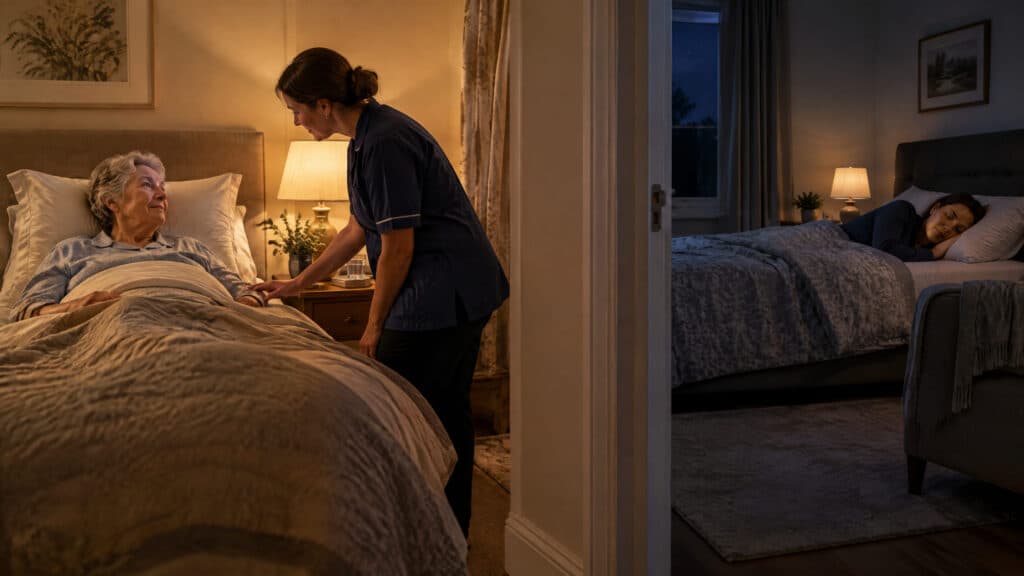
One of the most important roles of a caregiver is ensuring safety.
They help by:
- Monitoring mobility
- Reducing fall risks
- Providing supervision when needed
What a Home Caregiver Does NOT Do
Understanding limitations is just as important.
Home caregivers typically do not:
- Provide medical diagnoses
- Administer injections or medical treatments
- Replace skilled nursing care
However, they often work alongside healthcare providers to support overall care.
Who Can Benefit from a Home Caregiver?
Home caregiving can support a wide range of individuals, including:
- Seniors who need help with daily activities
- Individuals recovering from surgery or illness
- People living with conditions like dementia or Parkinson’s
- Older adults who feel isolated or need companionship
How Caregivers Help Seniors Stay Independent
Many families worry that bringing in help means losing independence.
In reality, caregivers help seniors:
- Stay in familiar surroundings
- Maintain routines
- Feel more confident and secure
Care is designed to support independence—not take it away.
When Should You Consider Hiring a Caregiver?
You may want to consider a caregiver if your loved one:
- Struggles with daily tasks
- Has experienced falls or mobility issues
- Misses medications or appointments
- Shows signs of memory decline
- Feels isolated or withdrawn
Even a few hours of support each week can make a meaningful difference.
Final Thoughts
Understanding what a home caregiver does can bring clarity during what is often an uncertain time for families.
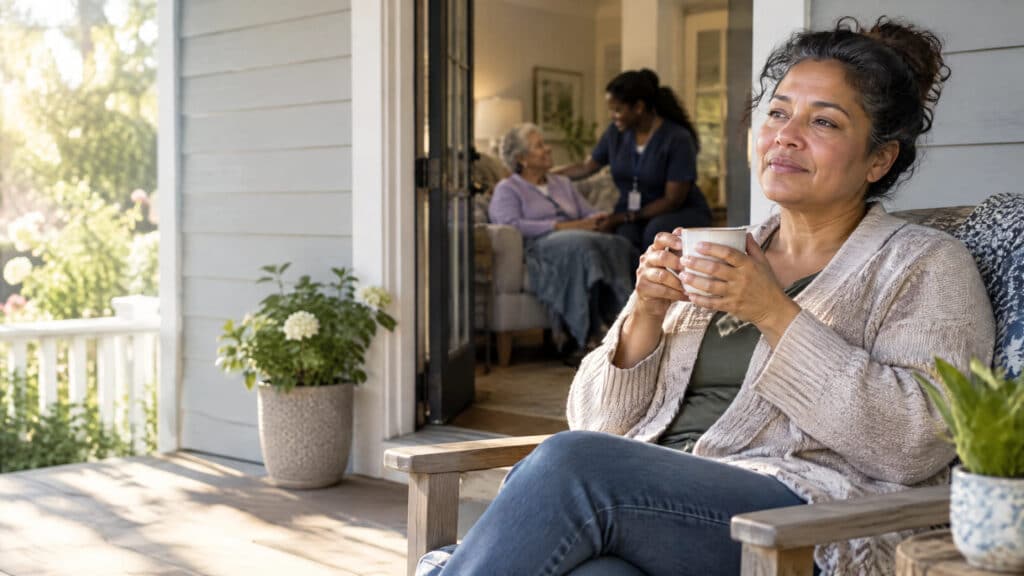
The right support can help your loved one remain safe, comfortable, and independent—while giving your family peace of mind.
If you’re exploring care options, learning more about available in-home care services can help you take the next step with confidence.
Frequently Asked Questions
What is the role of a home caregiver?
A home caregiver provides non-medical support such as personal care, companionship, meal preparation, and safety monitoring.
Can a caregiver help with bathing and dressing?
Yes. Personal care assistance is one of the primary responsibilities of a caregiver.
Do caregivers provide medical care?
No. Caregivers provide non-medical support but can work alongside healthcare professionals.
How many hours can a caregiver work?
Care can range from a few hours per week to full-time or 24-hour support, depending on needs.